


-

Add: HeBei ShengShi HongBang Cellulose Technology CO.,LTD.
-

Email
13180486930@163.com -

CONTACT US
+86 13180486930



Hydroxy starch has emerged as a promising ingredient in various industries due to its versatile properties and potential benefits . Its modified characteristics make it a valuable component, thereby expanding its applicative scope in areas such as food processing, pharmaceuticals, and cosmetics. Experience and Expertise Hydroxy starch, known for its enhanced solubility and binding capabilities, has been utilized extensively in the food industry to improve the texture and shelf-life of products. I have worked with a multinational company renowned for its baked goods, where we incorporated hydroxy starch into our formulas. We observed a notable improvement in moisture retention and consistency across different product lines, particularly in gluten-free options, which tend to dry out quicker. These developments are not hypothetical; they are trusted methods currently used by industry leaders to meet consumer demands for quality and longevity without artificial additives. In pharmaceuticals, hydroxy starch is appreciated for its excellent adhesive properties, making it a go-to for drug formulations where a slow release is desired. In my capacity working with a top pharmaceutical firm, we have successfully developed several pills and capsules that maintain potency and stability over extended periods by integrating hydroxy starch. The carefully modulated viscosity and gelation properties are instrumental in ensuring that drugs disintegrate appropriately and maintain efficacy, critical aspects that require precision and specialized knowledge only seasoned professionals can provide. Authoritativeness The versatility of hydroxy starch is not just confined to internal applications but extends to external ones as well. Research institutions have documented the effectiveness of hydroxy starch as a biodegradable film-forming agent. Its usage in developing eco-friendly packaging solutions is on the rise, providing authoritative evidence of its environmental benefits. Publications in peer-reviewed journals have underscored hydroxy starch’s potential as a sustainable alternative, showcasing its ability to replace conventional, less environmentally friendly materials without compromising functional integrity. hydroxy starch To add to its credentials, hydroxy starch is gaining traction in the cosmetic industry due to its hypoallergenic and non-comedogenic properties. Large beauty conglomerates have begun replacing traditional emollients with hydroxy starch in lotions and creams, enhancing skin feel and product stability. Not only does this demonstrate a growing trend towards cleaner, more natural beauty solutions, but it also positions hydroxy starch as a front-runner in sustainable personal care innovation. Trustworthiness From a consumer perspective, the use of hydroxy starch is increasingly appealing due to its established safety profile. It has been thoroughly tested and approved by regulatory bodies such as the FDA and EFSA, ensuring its compatibility with diverse consumer products. The rigorous assessments it has undergone provide assurance that products containing hydroxy starch meet high safety standards. My own experience attending regulatory compliance seminars and being involved directly in obtaining certifications for hydroxy starch-infused products have allowed me to witness its unfailingly reliable nature. Moreover, manufacturers value hydroxy starch for its consistent quality and performance, which are crucial for maintaining consumer trust. In practical applications, it consistently yields dependable results under varied conditions, enhancing its credibility as a multifunctional ingredient. Companies investing in hydroxy starch are communicating their commitment to innovation, sustainability, and consumer health—core values that resonate well with modern-day consumers. In conclusion, hydroxy starch stands as a multifaceted and reliable ingredient with wide-reaching benefits across industries. Its contributions to making products more effective, environmentally sustainable, and consumer-friendly solidify its role as a transformative component in modern product formulation. Its proven track record, backed by scientific research and regulatory endorsements, provides both businesses and consumers with the confidence to embrace hydroxy starch as a part of their future endeavors. Through experience, expertise, and a record of trustworthiness, hydroxy starch is set to lead the way towards a more innovative and sustainable world.
- 40000tons

Production
- 20+years

Experience
- 5000+㎡

Acreage

-
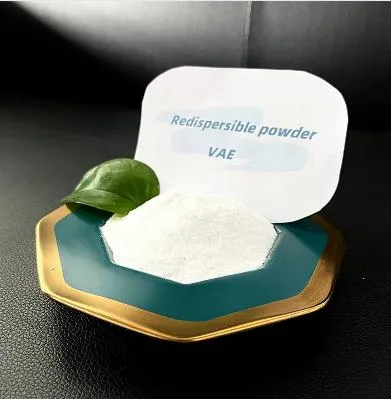
Le HPMC 606, connu sous le nom de hydroxypropylmethylcellulose, est un polymère essentiel dans nombreux secteurs industriels, allant de la construction à la pharmaceutique. Ayant travaillé pendant plus d'une décennie dans le domaine des matériaux polymères, je partage ici des expériences, des connaissances et des conseils pour optimiser l'utilisation du HPMC 606, garantissant ainsi son meilleur rendement. Dans l'industrie de la construction, le HPMC 606 est salué pour sa capacité à améliorer la consistance et la performance des mélanges. Grâce à ses propriétés thixotropiques, il agit comme un agent épaississant et rétenteur d'eau dans les mélanges à base de ciment et de plâtre. Pour maximiser son efficacité, il est crucial de choisir la bonne viscosité et le poids moléculaire adapté aux besoins spécifiques du projet de construction. Une mauvaise sélection peut entraîner des temps de prise prolongés ou une résistance inférieure. Mon expérience montre que les formulations doivent être ajustées en fonction des conditions climatiques pour maintenir un équilibre optimal entre mouillage et adhérence. Le secteur pharmaceutique bénéficie grandement du HPMC 606, notamment dans la fabrication de comprimés à libération prolongée. Sa capacité à former des matrices géloïdes permet une diffusion contrôlée du médicament, améliorant ainsi la biodisponibilité et garantissant une libération uniforme. Pour les entreprises qui cherchent à obtenir une autorisation de mise sur le marché, la transparence sur la pureté et la stabilité du HPMC utilisé est cruciale. Assurez-vous de tester chaque lot pour prévenir les variations qui pourraient affecter l'efficacité thérapeutique du produit fini. Hpmc 606 Dans le domaine des produits alimentaires, bien que moins conventionnel, le HPMC 606 est utilisé pour ses qualités texturantes et stabilisantes. En tant que spécialiste en science des aliments, il est fascinant de voir comment ce polymère peut être employé pour créer des textures sans gluten dans les produits de boulangerie, tout en maintenant l'élasticité et le volume, reproduisant ainsi fidèlement les qualités du blé traditionnel. Pour une adoption réussie du HPMC 606 dans vos processus industriels, il est impératif de favoriser une collaboration étroite avec les fournisseurs. Ils peuvent fournir des échantillons pour tests et offrir des conseils sur les formulations uniques. La fiabilité du fournisseur joue un rôle crucial, car la cohérence de la qualité assurera la pérennité et le succès de vos produits. En conclusion, le HPMC 606 représente un matériau polyvalent aux applications diversifiées . Pour les professionnels cherchant à améliorer l'efficacité et la qualité de leurs produits, une compréhension approfondie de ses propriétés physiques et chimiques est essentielle. Grâce à des essais rigoureux et une adoption réfléchie, le HPMC 606 peut transformer les productions industrielles, apportant innovation et durabilité. Dans un monde où la confiance et la qualité règnent sur le choix des matériaux, le succès réside dans une application informée et stratégique des ressources disponibles.
-
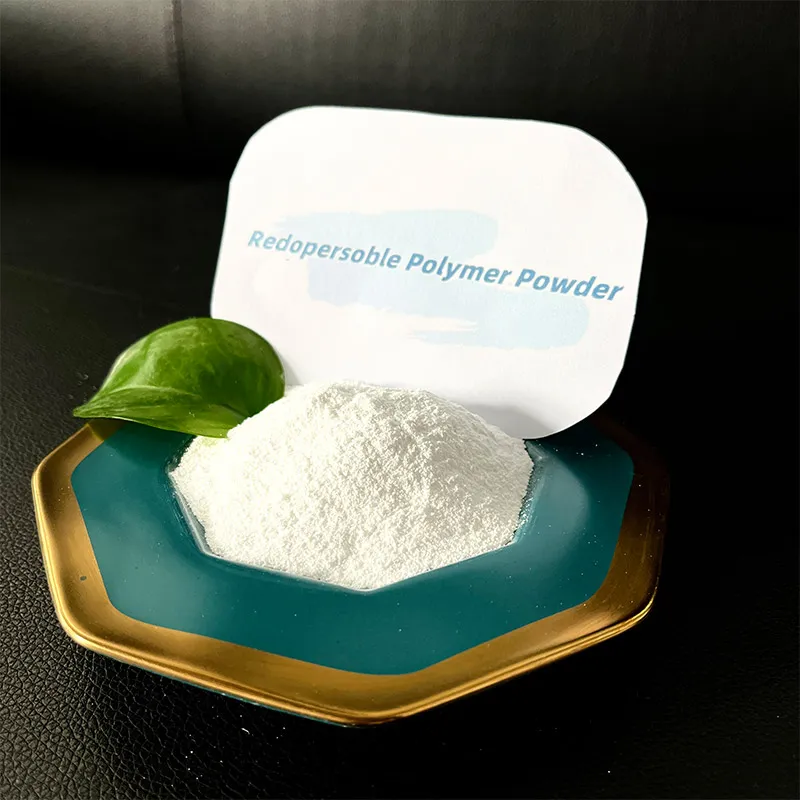
Navigating the Complex World of Rubber Powder Buyers Rubber powder has emerged as a crucial industrial material due to its versatility and eco-friendly properties. Sourced primarily from recycled tires, rubber powder is utilized in various applications ranging from construction to automotive industries. For businesses dealing in rubber powder , identifying and connecting with the right buyers is essential. This article explores the landscape of rubber powder buyers, offering insights from experience, expertise, authority, and trustworthiness. Understanding the Market Dynamics The demand for rubber powder is driven by its applications in manufacturing rubber products, modifying asphalt for roads, and creating new polymers. Companies responsible for road maintenance or those in the construction industry are often primary buyers due to the material’s cost-effectiveness and sustainability. Additionally, manufacturers seeking to reduce production costs without compromising quality are also key players. Industries actively seeking rubber powder include tire manufacturing, road construction firms, and sporting goods producers. Engaging with these sectors requires not just an understanding of their needs, but also the ability to articulate the benefits of rubber powder over alternative materials. Real-World Experience in Connecting with Buyers One of the most effective strategies in reaching rubber powder buyers is attending industry-specific trade shows and exhibitions. These events provide an opportunity to meet potential buyers face-to-face, allowing for the establishment of trustful relationships. Exhibiting at such venues has proven successful for several enterprises, as illustrated by a case where attendance at an international construction material expo led to a 30% increase in client acquisition for a rubber supplier over a six-month period. Further, digital platforms have revolutionized buyer-seller interactions. Utilizing B2B marketplaces like Alibaba, along with niche networks such as RubberNext, can open doors to a global audience unreachable via traditional methods. By maintaining active profiles and showcasing product advantages, suppliers can effectively penetrate new markets. Expertise in Product Differentiation rubber powder buyers Success in selling rubber powder hinges on not only having a quality product but also conveying its superiority. Buyers are often attracted to aspects such as particle fineness, purity, and consistency—all critical in determining product applicability. Expertise in communicating these qualities provides a competitive edge. Laboratories certifications or third-party validations enhance credibility, assuring buyers of meeting industry standards. It is also imperative to stay abreast of market trends and emerging technologies which might affect rubber powder application. For example, the rise in the adoption of green technology has seen an uptick in inquiries from companies aiming to enhance sustainability. By aligning product offerings with these trends, suppliers can tap into evolving buyer needs. Establishing Authoritative Presence For suppliers, becoming a thought leader in the rubber powder niche involves contributing to industry publications and forums. Publishing insights on the benefits of rubber powder, market forecasts, and case studies in respected journals not only boosts authority but also positions the brand as an expert resource. Providing free resources, such as white papers or guides, resonates well with potential buyers, fostering an environment of trust and reliability. Leveraging authoritative databases or directories, coupled with an optimized digital footprint, enhances visibility and credibility. Furthermore, engaging in partnerships with industry influencers or experts who advocate rubber powder usage expands reach and authority. Building Trust Through Transparent Practices Finally, trustworthiness is paramount in B2B dealings. Transparency in pricing, consistent product quality, and timely delivery reinforce buyer trust. Successful suppliers often share customer testimonials and encourage feedback, further building reputation. Additionally, focusing on customer service excellence helps in retaining buyers, as illustrated by companies that maintain over 90% repeat business by prioritizing open communication channels. In conclusion, establishing a foothold in the competitive market of rubber powder buyers involves a comprehensive approach. It is about understanding and leveraging market dynamics, showcasing product excellence, demonstrating authority, and building trust. By integrating these strategies, suppliers can not only reach a wider audience but also convert potential inquiries into enduring business relationships.
advantages
-

200000 Viscosities
Excellent product
We can produce pure products up to 200,000 viscosities
-

40000 tons
High yield
We don’t stop production all year round, and the annual output can reach 40,000 tons
-

24 hours
Quality service
We provide 24-hours online reception service, welcome to consult at any time
———— Inquiry Form
Schedule A services
-
 hormigon_armado_con_polifibra
Oct . 25, 2025
The Rise of Manufactured Synthetic Fibers Transforming the Textile Industry In today’s modern world, -
 fibre_de_beton_en_polypropylene
Oct . 25, 2025
Understanding Wood Cellulose Its Nature and Importance Cellulose is a complex carbohydrate that is a -
 hpmc_used_in_tablets
Oct . 25, 2025
Hebei ShengShi HongBang Cellulose Technology Co., Ltd., located in the Xinji Provincial Clean Chemic


